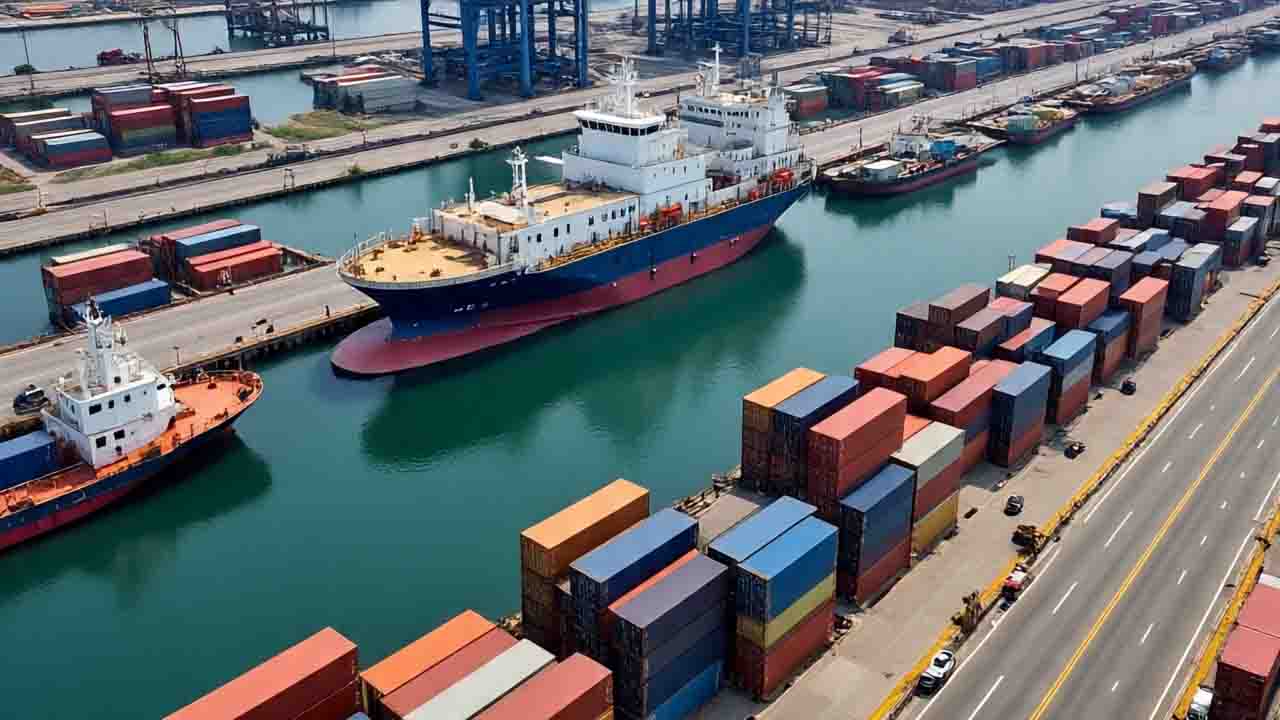
Resilienceapac – US Tariffs Shake Southeast Asia as Washington enforces sharp tariff hikes on several ASEAN nations. The United States recently increased import duties between 25% and 40% on goods from Indonesia, Malaysia, and Thailand. This policy move, aimed at curbing China’s use of “transshipment” through Southeast Asian countries, is now sending shockwaves across the region.
Malaysia’s Prime Minister, Anwar Ibrahim, warned that these tariffs are “not a passing storm”. But a sign of fundamental shifts in global economic power. He urged Southeast Asian leaders to see this as a strategic turning point. The message: ASEAN must no longer rely heavily on external markets, especially when geopolitical motives can suddenly alter economic dynamics.
Responding to the instability, Anwar is advocating for stronger regional economic integration. He emphasized that US Tariffs Shake should serve as a wake-up call for ASEAN nations to boost intra-regional trade and build more self-reliant supply chains.
“Shakespeare Gets Hilarious: David Mitchell’s Best Season 2”
At present, trade within ASEAN remains underutilized, making up just a fraction of the region’s total economic activity. Anwar stressed that improving internal trade, reducing tariffs among member states, and aligning regulations could protect the region from future external shocks and supply chain disruptions.
The domino effect of US tariffs is expected to raise production costs, slow down exports, and pressure manufacturers in Southeast Asia. As US Tariffs Shake confidence in long-standing trade routes, businesses may face increased volatility and shifting investor sentiment.
ASEAN now has an opportunity to turn this challenge into momentum. By accelerating regional cooperation through initiatives like the ASEAN Economic Community (AEC), the bloc can significantly reduce its exposure to superpower trade tensions. Moreover, Anwar’s message is clear: ASEAN unity and economic collaboration are no longer optional they are essential.
“Smart Supply Chains: How AI and Blockchain Are Transforming Them”
Resilienceapac - A joint study by the Asian Development Bank and the World Bank revealed that extreme heat events have…
Resilienceapac - A coalition of governments, NGOs, and private firms launched a continent‑wide eco‑sustainability initiative this week, aiming to raise…
Resilienceapac - The Asia-Pacific region absorbed over $1.3 trillion in economic losses from disasters between 2011 and 2022, yet governments…
Resilienceapac - Across the Asia-Pacific region, community-driven resilience programs have reduced disaster recovery time by 47% in pilot districts between…
Resilienceapac - A recent comprehensive analysis indicates that over 400 million people across the Asia Pacific region still lack access…
Resilienceapac - The Asia-Pacific region stands on the precipice of an irreversible climate breakdown, having experienced a staggering 60 percent…
