Resilienceapac – Economic Shockwaves reverberated across Indonesia in August 2025 as widespread protests erupted, triggered by public dissatisfaction with government economic policies. The demonstrations, which drew participants from multiple cities, not only highlighted social unrest but also exposed vulnerabilities in the country’s financial and commercial systems. Economists and analysts alike have noted that these events could have both immediate and long-term implications for Indonesia’s economic stability.
Economic Shockwaves were first evident in the financial markets. On August 29, 2025, Indonesia’s Composite Stock Index (IHSG) plunged by 2.27%, marking the steepest decline in two weeks. Concurrently, the rupiah weakened by nearly 1% against the U.S. dollar, reaching IDR 16,475, its lowest level since August 1. In response, Bank Indonesia intervened in the foreign exchange market to stabilize the currency. Market experts suggest that investor confidence has been shaken, and recovery may take time unless political and economic uncertainties are addressed.
“Parody Meets Tribute: Shakespeare’s Wit Beyond the Page”
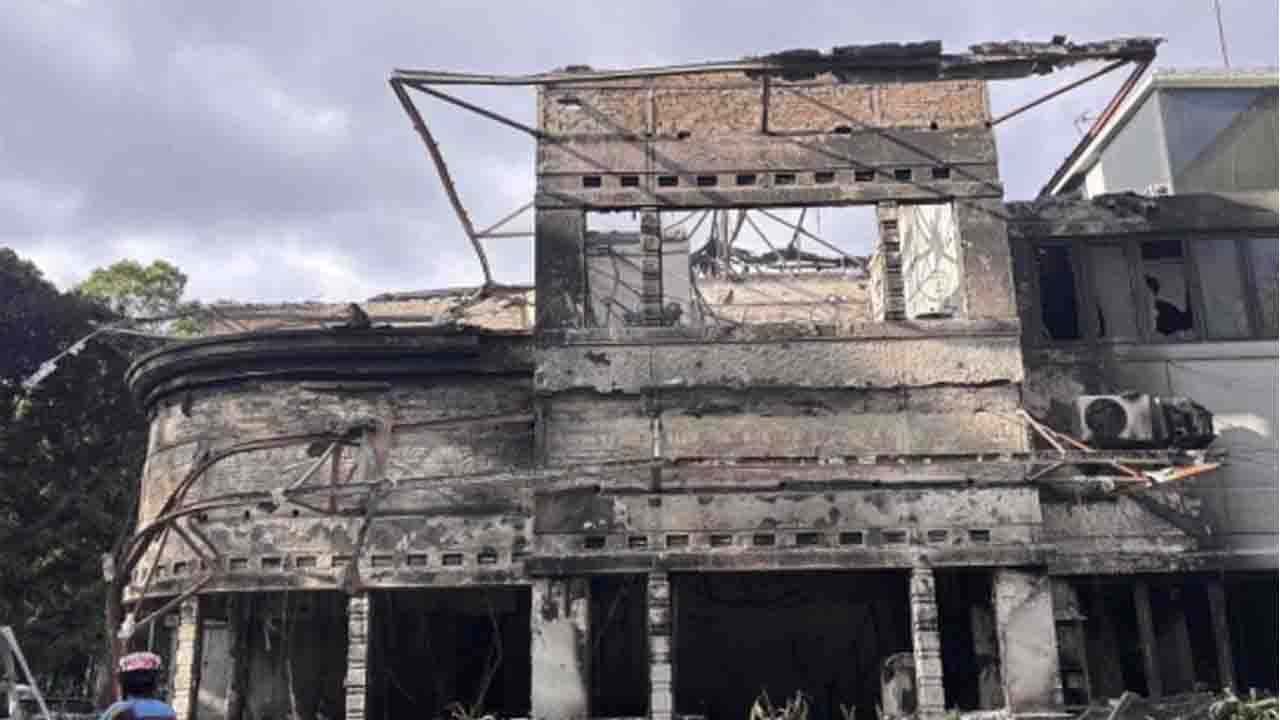
Beyond the financial sector, Economic Shockwaves extended to infrastructure and daily economic activity. Several protests escalated into violent clashes, resulting in damage to public infrastructure. Government buildings, including regional parliamentary offices, were burned, tragically causing three fatalities in Makassar. Additionally, shopping malls and commercial centers in Jakarta and Surabaya were temporarily closed due to security concerns and property damage. These disruptions not only affected local businesses but also hampered the flow of goods and services, further impacting the economy.
The weakening rupiah has had a direct effect on consumer purchasing power. Imported goods became more expensive, leading to rising inflation and decreased household spending capacity. This scenario risks exacerbating social inequality and slowing the recovery of domestic economic growth. In response, President Prabowo Subianto announced cuts to parliamentary allowances and the suspension of overseas official trips to ease tensions. However, critics argue that these measures fall short of addressing underlying issues such as economic disparity and policies perceived as favoring elites.
As Indonesia navigates these challenging times, the Economic Shockwaves of the August 2025 protests serve as a stark reminder of the interconnectedness between political stability and economic resilience. The events underscore the need for inclusive economic policies, open dialogue between government and citizens, and proactive measures to safeguard both financial markets and social welfare.
“Cybersecurity Becomes a Priority in Supply Chain Transformation”
Resilienceapac - A joint task force of ministries in Indonesia, Japan and Australia unveiled a new framework this week that…
Resilienceapac - In a joint study released this week, researchers documented that 73% of small‑business owners in Vietnam reported stable…
Resilienceapac - A joint study by the Asian Development Bank and the World Bank revealed that extreme heat events have…
Resilienceapac - A coalition of governments, NGOs, and private firms launched a continent‑wide eco‑sustainability initiative this week, aiming to raise…
Resilienceapac - The Asia-Pacific region absorbed over $1.3 trillion in economic losses from disasters between 2011 and 2022, yet governments…
Resilienceapac - Across the Asia-Pacific region, community-driven resilience programs have reduced disaster recovery time by 47% in pilot districts between…

