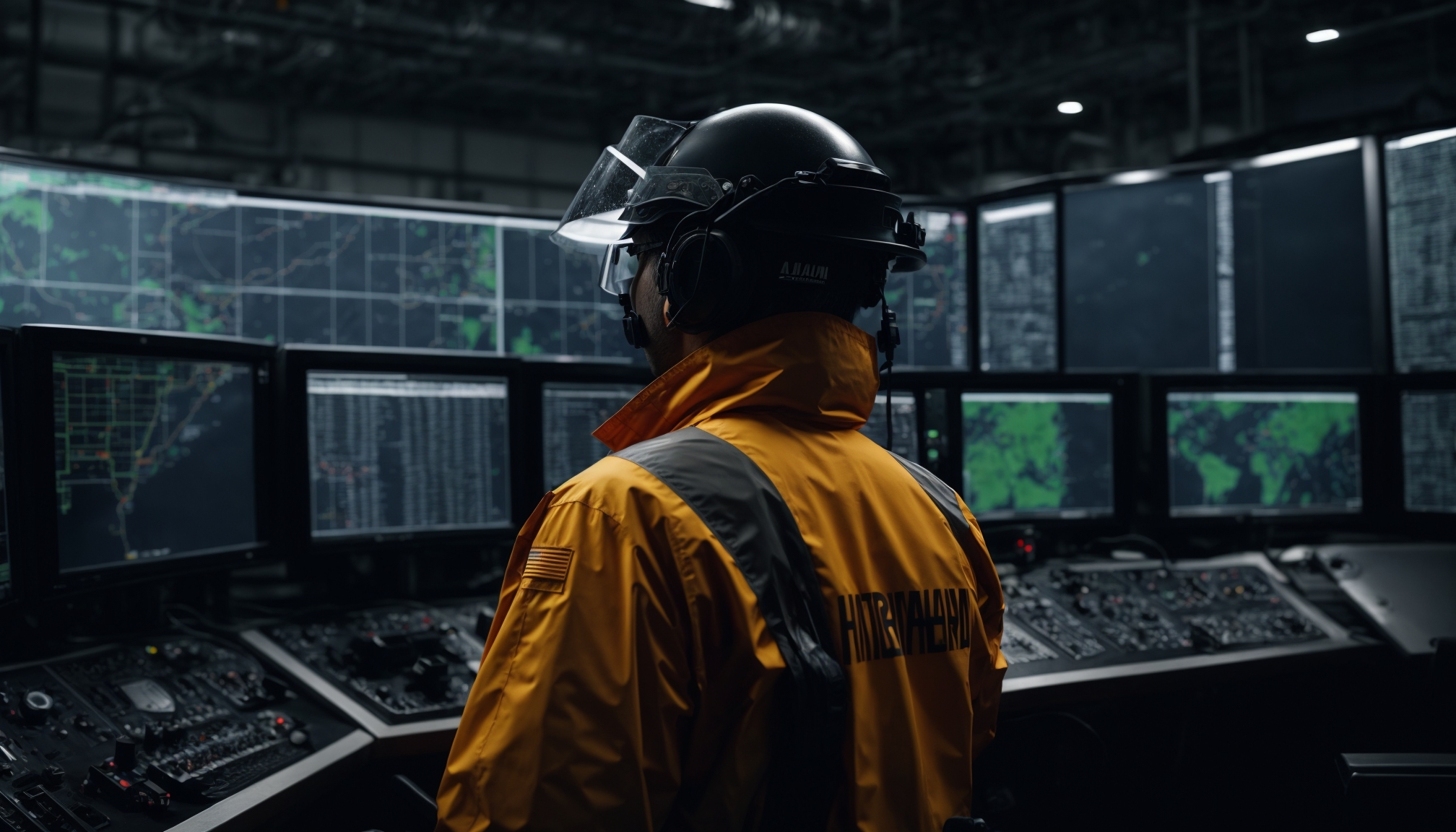
Resilience APAC: Asia-Pacific Hub for Reform – Plant managers are turning to 72 hour industrial preparedness plans to protect workers and assets before typhoons and cyclones hit.
For large facilities, every storm hour matters. A structured 72 hour industrial preparedness timeline reduces confusion. It also improves coordination across safety, maintenance, and operations teams. Clear time blocks help prioritize the most critical tasks first.
However, many plants still rely on ad hoc actions. These efforts often miss key dependencies. For example, valves get secured, but documentation and data backups are ignored. Therefore, a fixed 72-hour framework keeps attention on people, processes, and physical assets at the same time.
On the other hand, a rigid checklist without roles and ownership fails in practice. Each site must adapt this 72 hour industrial preparedness playbook to its risk profile, layout, and workforce size.
At the 72-hour mark, forecasts still change. Nevertheless, industrial plants must act. This window is for strategic decisions. It is not yet for heavy physical work on the shop floor.
Leadership should first activate the emergency command structure. Define who leads safety, who leads operations, and who speaks to external stakeholders. In addition, confirm backup contacts in case primary leaders are unreachable during the storm.
Next, review business continuity priorities. Decide which processes must restart first after impact. Link these priorities to the 72 hour industrial preparedness actions. Critical lines, utilities, and control systems should get extra protection and redundancy.
As a result, plants can focus limited time and resources on the systems that matter most. Use this stage to brief supervisors, clarify communication channels, and confirm that everyone knows their role.
At 48 hours before forecast landfall, the focus shifts to people and core infrastructure. Start by updating all shifts on the storm status and safety expectations. Meanwhile, confirm transportation options for essential staff and safe release plans for non-essential workers.
Review backup power status. Test generators under load and verify fuel levels. Check automatic transfer switches. Ensure that control rooms, emergency lighting, and fire protection systems can operate even if grid power fails.
In addition, secure in-process product and hazardous materials. Lower tank levels where possible. Double-check containment berms and drainage paths. This step is a key part of any responsible 72 hour industrial preparedness approach, as spills during storms are harder to control.
Document each action in a central log. This record supports both accountability and later improvement efforts.
The 36-hour window is ideal for focused physical work. Maintenance and operations teams should now harden the site. Remove or anchor loose equipment, scaffolding, and temporary structures in open areas. Even medium objects can become dangerous projectiles in high winds.
In storage yards, lower stacked materials and secure them with strapping or blocking. Close and lock all non-essential access points. On the other hand, ensure emergency exits remain clear and operable. This balance is critical for safe sheltering.
Inspect roofs, gutters, and drainage inlets. Clear debris that could block water flow. As a result, you reduce flooding risk and structural stress. This step is often under-valued in 72 hour industrial preparedness plans, yet it strongly influences water damage.
At 24 hours from expected landfall, decisions move toward controlled slowdowns or shutdowns. Coordinate production ramp-downs with safety and maintenance. Do not rush this phase. Poorly planned shutdowns can damage equipment more than the storm itself.
Shut or throttle non-essential process lines. Place critical machinery in safe states. For rotating equipment, follow OEM guidance on shutdown and restart. Ensure that all remote monitoring systems are functioning as long as power is available.
Meanwhile, conduct a focused walk-through using a short 72 hour industrial preparedness checklist. Confirm doors, hatches, and covers are secure. Verify that emergency equipment, such as portable pumps and spill kits, is staged and accessible.
Read More: Detailed hurricane readiness guidance for industrial facilities and risk managers
With 12 hours or less remaining, the plant should already be quiet. Only essential storm-duty staff should remain on-site. Confirm that shelter areas are safe from flooding, wind-borne debris, and hazardous material exposure.
Re-check communication devices, including radios and satellite phones if available. Ensure each team has contact trees and knows when to escalate issues. In addition, remind all staff of muster points and shelter protocols.
During this window, avoid major new tasks. Focus on last-minute verifications aligned with your 72 hour industrial preparedness plan. Shut interior fire doors where appropriate and reduce non-critical power loads.
Storm-time operations must prioritize life safety above everything else. Staff should remain in designated safe areas. They may monitor critical systems remotely through control room screens, alarms, and cameras.
However, no one should enter high-risk zones just to protect equipment. The best 72 hour industrial preparedness planning happens before the first wind gust, not during peak impact. Document key observations in real time, as they will inform post-storm actions and later improvements.
Once local authorities confirm that it is safe, begin a structured damage assessment. Use predefined checklists for structures, utilities, process units, and environmental controls. Photograph damage for insurance and regulatory purposes.
Do not rush to restart production. Instead, follow a sequenced approach mapped in your 72 hour industrial preparedness framework. Start with power and utilities, then control systems, then critical process lines. Validate safety protections at each stage before moving forward.
As a result, you reduce the risk of secondary incidents such as fires, leaks, and equipment failures triggered by hidden storm damage.
The strongest plants treat 72 hour industrial preparedness as a living part of daily operations, not a one-time project. They train new employees on storm roles, run drills, and update contact lists regularly.
In addition, they review storm performance after every event. Lessons learned feed back into the next 72 hour industrial preparedness cycle. Over time, this continuous improvement cuts losses, improves safety, and builds organizational confidence.
Ultimately, consistent 72 hour industrial preparedness planning turns severe weather from a chaotic emergency into a managed, predictable process for industrial plants.
Resilienceapac - Across the Asia-Pacific region, community-driven resilience programs have reduced disaster recovery time by 47% in pilot districts between…
Resilienceapac - A recent comprehensive analysis indicates that over 400 million people across the Asia Pacific region still lack access…
Resilienceapac - The Asia-Pacific region stands on the precipice of an irreversible climate breakdown, having experienced a staggering 60 percent…
Resilienceapac - In 2023 alone, the Asia-Pacific region accounted for more than 40 percent of global natural disaster events, resulting…
Resilienceapac - The Asian Development Bank estimates the region suffered a staggering $3.5 trillion economic loss between 2020 and 2022,…
Resilienceapac - Recent data from the United Nations Economic and Social Commission for Asia and the Pacific (UNESCAP) indicates the…
