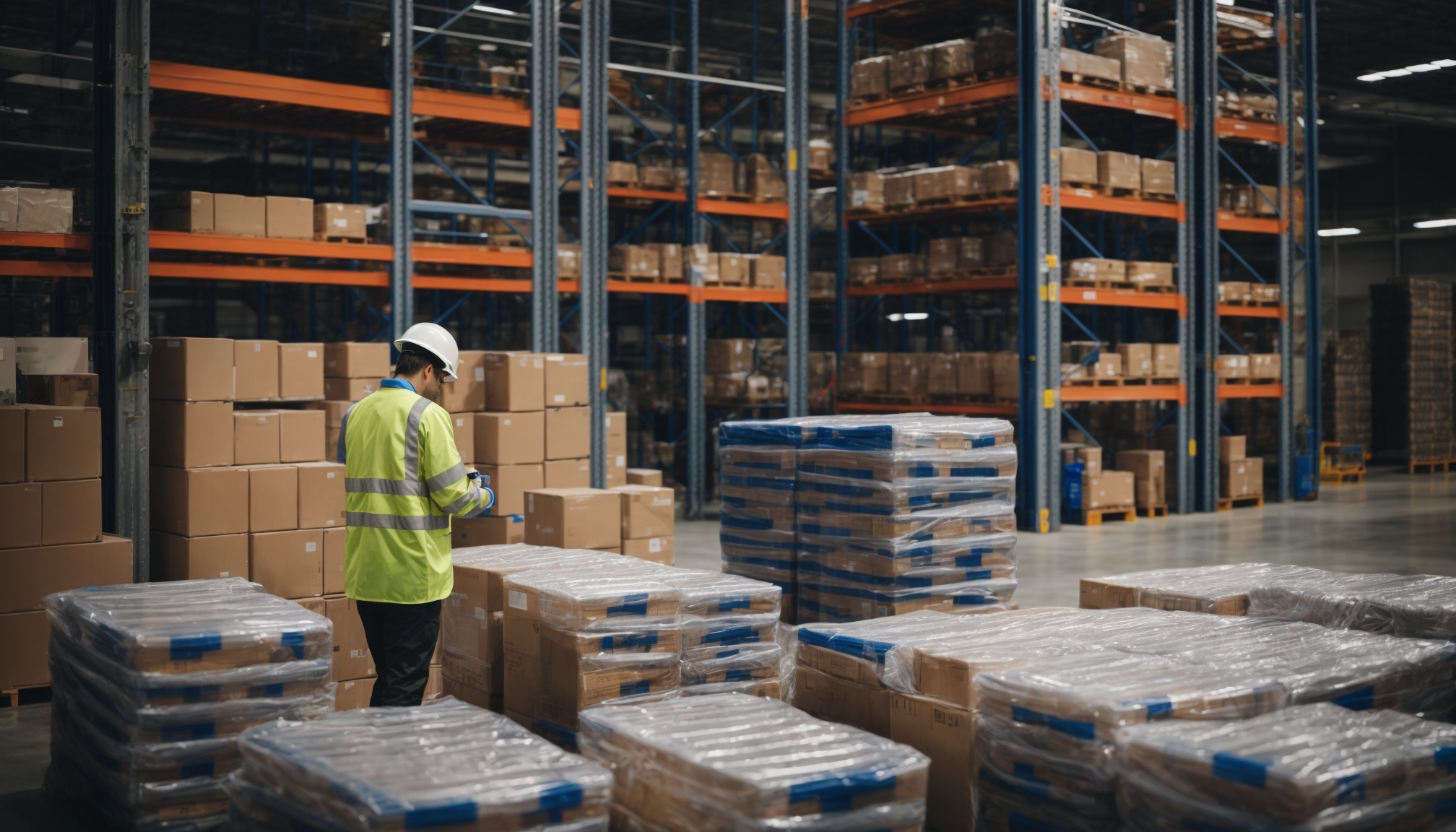
Resilience APAC: Asia-Pacific Hub for Reform – Companies worldwide now see circular logistics reducing waste as a core strategy to shrink environmental impact, cut costs, and secure long-term supply resilience across industries.
Circular logistics focuses on keeping products, components, and materials in use for as long as possible. Instead of a linear “take–make–dispose” flow, businesses design supply chains that enable recovery, repair, reuse, and recycling. This shift requires rethinking how goods move through networks and how value is captured at every stage.
Key principles include designing for durability, creating take-back systems, and building reverse flows into day-to-day operations. When companies apply these principles consistently, they reduce dependence on virgin resources and lower the volume of waste that reaches landfills or incinerators.
Digital tracking, data-sharing platforms, and collaborative contracts now support these new flows. As partners gain visibility across the chain, they coordinate collection routes, consolidate loads, and optimize material recovery at scale.
Well-planned networks use circular logistics reducing waste as a guiding logic in every node of the supply chain. Collection points, consolidation centers, refurbishment hubs, and recycling facilities operate as integrated stages rather than isolated functions. This integration transforms waste from a liability into a managed resource stream.
Manufacturers can retrieve end-of-life products, harvest usable components, and return them to production. Retailers leverage return flows to manage unsold goods more intelligently, directing them to secondary markets instead of discarding them. Logistics providers redesign reverse routes to collect packaging, pallets, and products during regular delivery runs.
As a result, transportation becomes more efficient and predictable. Reverse logistics stops being an afterthought and becomes a planned, data-driven activity that supports inventory management and environmental targets simultaneously.
Several operational processes sit at the heart of circular logistics reducing waste. Product take-back programs are one of the most visible elements. Brands offer collection in stores, at delivery, or via drop-off points, making it straightforward for customers to return items at end of use.
Once collected, goods move to inspection and sorting centers. Here, teams and automated systems determine whether a product should go to repair, refurbishment, remanufacturing, or material recycling. Clear standards and quality criteria keep these decisions consistent and cost-effective.
Packaging recovery programs add another layer. Reusable containers, crates, and pallets circulate multiple times through the system. Tracking technologies such as RFID and QR codes reduce loss rates and support deposit or leasing models that share responsibility across stakeholders.
Read More: In-depth explanation of circular economy and logistics
Companies increasingly measure how circular logistics reducing waste influences emissions, operating costs, and regulatory compliance. Lifecycle analysis shows that recovering and reusing materials often requires less energy than producing new ones from raw resources.
Cost structures change as well. While setting up reverse flows demands investment, over time organizations reduce spending on disposal, procurement of virgin materials, and emergency sourcing. Predictable returns support better demand planning and inventory control.
Regulatory pressure also plays a crucial role. Extended producer responsibility rules, landfill taxes, and packaging directives push companies to manage products beyond the point of sale. Firms that already operate circular systems find it easier to meet these legal obligations and avoid penalties.
Modern tools make it easier to run circular logistics reducing waste at scale. Internet of Things devices and sensors monitor product condition, location, and usage. This information helps determine the right moment for maintenance, recovery, or recycling.
Data analytics platforms support route optimization for both forward and reverse flows. By combining orders, returns, and collection tasks on a single route, companies increase vehicle utilization and reduce empty mileage. Over time, this improves fuel efficiency and lowers greenhouse gas emissions.
Blockchain and shared data infrastructures can also support transparent material tracking. Stakeholders gain confidence that recovered materials meet quality and compliance requirements, which encourages broader reuse across value chains.
Implementing circular logistics reducing waste requires robust collaboration and governance structures. Manufacturers, logistics providers, recyclers, and customers must align incentives and share information. Contract models that reward long-term performance rather than one-time transactions help sustain this alignment.
Education and change management remain crucial. Staff need training to handle reverse flows, evaluate product conditions, and document material streams. Leadership teams must integrate circular targets into core business metrics, not just sustainability reports.
Ultimately, circular logistics reducing waste depends on a combination of smart design, practical operations, and committed partnerships. As more organizations embrace this approach, global waste volumes can fall, resource efficiency can rise, and supply chains can become more resilient in the face of environmental and economic disruption.
[SITE_NAME] – Nature-based solutions have emerged as a core strategy Asia-Pacific resilience, addressing climate risks and natural disasters by integrating…
[SITE_NAME] - The urgent need to develop resilient health systems climate challenges has become a global priority as climate change…
[SITE_NAME] - public policy reform trends are significantly influencing social resilience in the Asia-Pacific region, as governments implement innovative frameworks…
Resilience APAC: Asia-Pacific Hub for Reform - Taiwan's earthquake-resilient community infrastructure investment is under renewed scrutiny following a series of…
Resilience APAC: Asia-Pacific Hub for Reform - climate risk planning data analytics plays a crucial role in helping organizations anticipate…
