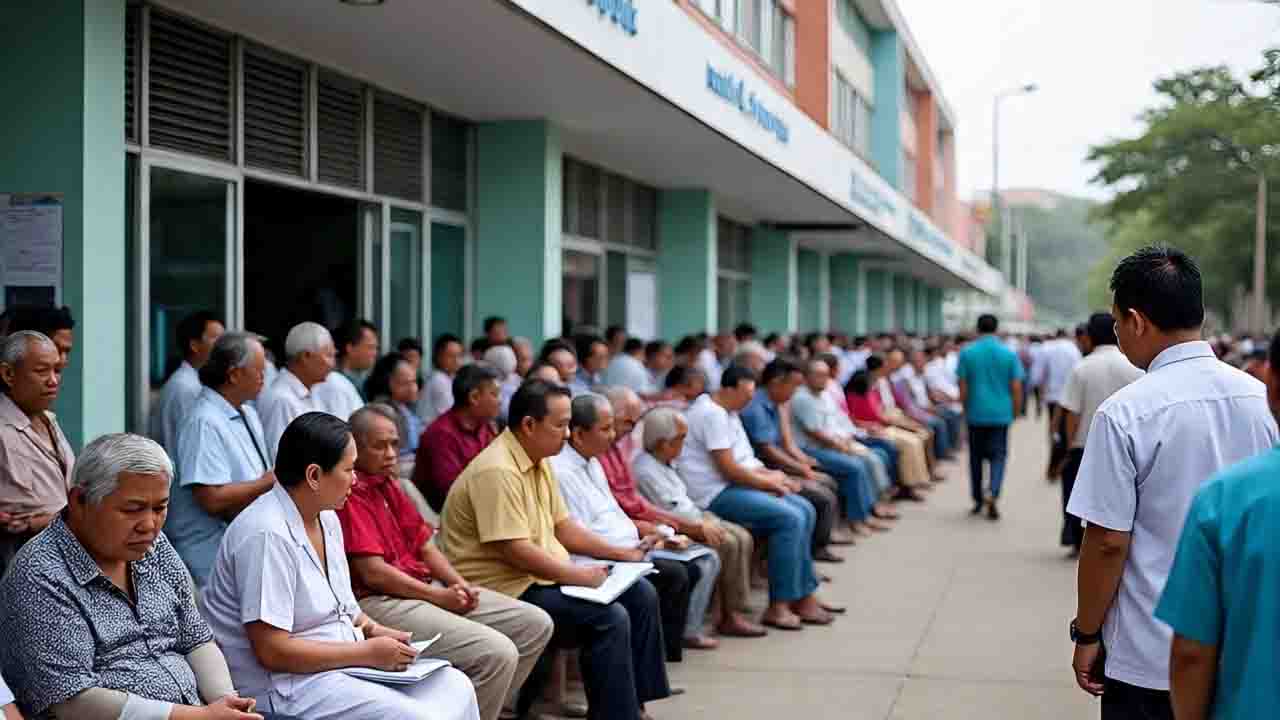
Resilienceapac – Soaring health costs are set to burden the Asia-Pacific region in 2025, with medical inflation projected to reach 12.3% the highest in the world. Countries like Indonesia (19.4%), the Philippines (18.3%), and Malaysia (16.4%) are facing the sharpest increases in healthcare expenses, raising concerns about affordability and long-term sustainability.
The surge in medical costs is driven by a combination of factors. New and expensive medical technologies, while improving care quality, come with high implementation and maintenance costs. At the same time, many countries still struggle with underfunded public healthcare systems, which are unable to absorb rising expenses without shifting the financial burden to individuals. Furthermore, inefficient insurance benefit packages often leave patients exposed to large out-of-pocket costs, especially for critical treatments.
While technological advancements are transforming healthcare delivery, they are also a major contributor to soaring health costs. From AI-based diagnostics to robotic-assisted surgeries, these tools often require significant upfront investment and specialized staff. As a result, hospitals and clinics especially in the private sector transfer these costs to consumers.
“The Love Trick: One Sip, Too Far”
This trend disproportionately affects lower- and middle-income populations, who may not have access to subsidized services or adequate insurance coverage. In countries with large rural populations, the technological gap further increases inequality in healthcare access and affordability.
Another key factor in Asia-Pacific’s rising health costs is the lack of comprehensive insurance coverage. Many insurance plans do not fully cover outpatient care, diagnostic tests, or specialized treatments. As a result, patients are often forced to pay significant amounts out-of-pocket, pushing some into financial hardship.
Soaring health costs, if left unaddressed, could become a serious social and economic challenge. Experts emphasize the need for governments to strengthen public funding, redesign insurance systems, and implement cost-containment strategies to ensure healthcare remains accessible for all.
“AI Is Transforming Last-Mile Delivery: Faster and More Cost-Efficient”
Resilienceapac - In a joint study released this week, researchers documented that 73% of small‑business owners in Vietnam reported stable…
Resilienceapac - A joint study by the Asian Development Bank and the World Bank revealed that extreme heat events have…
Resilienceapac - A coalition of governments, NGOs, and private firms launched a continent‑wide eco‑sustainability initiative this week, aiming to raise…
Resilienceapac - The Asia-Pacific region absorbed over $1.3 trillion in economic losses from disasters between 2011 and 2022, yet governments…
Resilienceapac - Across the Asia-Pacific region, community-driven resilience programs have reduced disaster recovery time by 47% in pilot districts between…
Resilienceapac - A recent comprehensive analysis indicates that over 400 million people across the Asia Pacific region still lack access…
