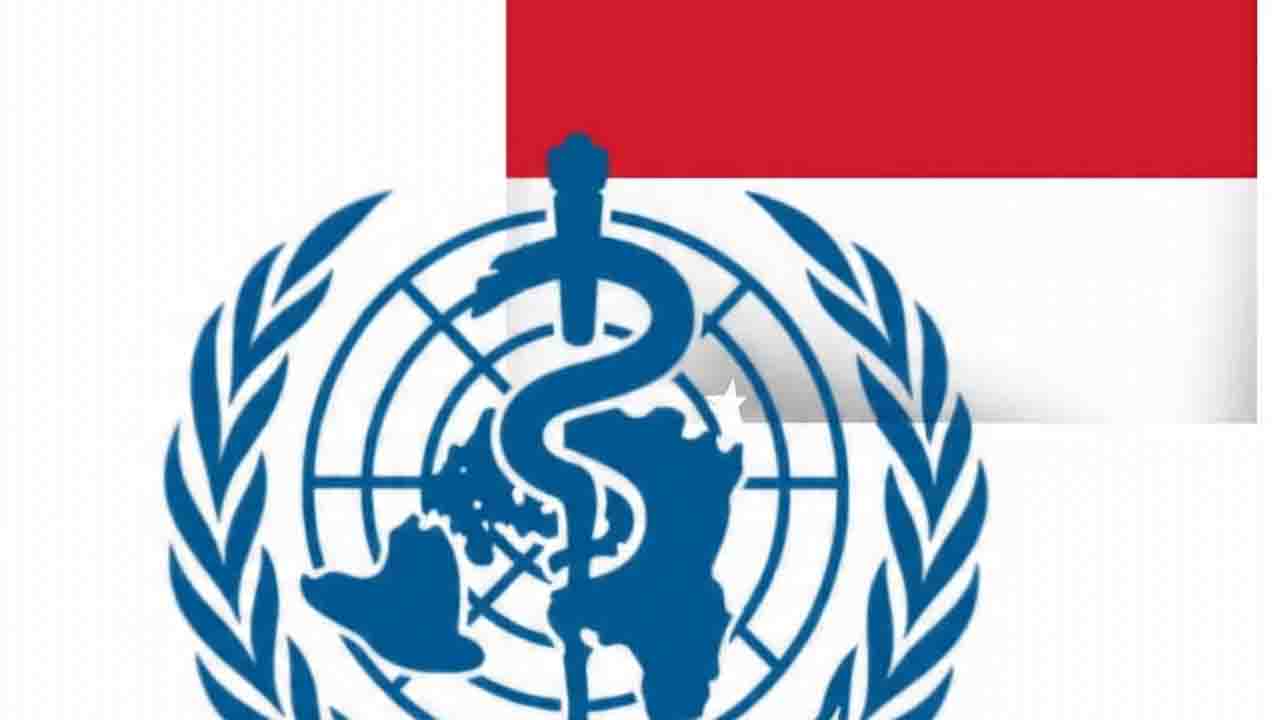
Resilienceapac – Indonesia repositions within the World Health Organization (WHO) as a significant strategic move to enhance its role in global health diplomacy. The transition from the WHO South-East Asia Region (SEARO) to the Western Pacific Region (WPRO) was officially approved during the 78th World Health Assembly in Geneva. This historic shift marks not just a change in regional classification, but a proactive response to the evolving landscape of global health challenges.
By repositioning itself, Indonesia aims to engage in more effective collaborations with countries that share similar health priorities and development trajectories. This move is seen as a strategic alignment that will allow Indonesia to benefit from broader regional networks. Particularly in addressing complex post-pandemic issues such as disease surveillance, healthcare innovation, and equitable access to medical resources.
“Shakespeare Plays Cupid: A Review of Will the Matchmaker”
Indonesia rooted the repositions initiative in the lessons learned from the COVID-19 pandemic. Which exposed vulnerabilities in global and regional health systems. The Western Pacific region, known for its more robust health infrastructure and stronger cooperation mechanisms. Offers Indonesia new opportunities to strengthen its health resilience and integrate more advanced technological and policy innovations into its national health system.
By joining WPRO, Indonesia gains access to a wider pool of expertise and resources. Enhancing its capacity to implement universal health coverage, digital health strategies, and regional emergency responses. Furthermore, this move supports Indonesia’s ambition to become a key player in shaping sustainable and inclusive health solutions for the Asia-Pacific region.
The decision for Indonesia repositions is a forward-looking step toward redefining the country’s global health presence. It reflects Indonesia’s growing commitment to multilateralism and cooperative governance in the health sector. Experts believe that this repositioning will pave the way for stronger intergovernmental initiatives. Particularly in research collaboration, vaccine distribution, and climate-resilient health systems.
As the world navigates an increasingly complex web of health risks and inequities. Indonesia’s new place in WPRO symbolizes a shift not only in geography but in strategic intent. This transition positions Indonesia to contribute more dynamically to global health dialogue. Shaping outcomes that extend far beyond its borders.
“EU-US Trade Deal: A Signal of Shifting Trade Dynamics”
Resilience APAC: Asia-Pacific Hub for Reform - Asia-Pacific countries are increasingly focusing on climate resilience Asia Pacific strategies to confront…
Resilience APAC: Asia-Pacific Hub for Reform - Local community resilience strategies have become essential in confronting the dual challenges of…
Resilience APAC: Asia-Pacific Hub for Reform - Asia Pacific data center boom is significantly testing the resilience of the region's…
Resilience APAC: Asia-Pacific Hub for Reform - Urban centers throughout Asia-Pacific face increasing threats from climate change, making the development…
Resilience APAC: Asia-Pacific Hub for Reform - climate resilience and sustainable development have become critical priorities for countries in the…
Resilience APAC: Asia-Pacific Hub for Reform – Nature-based solutions have emerged as a core strategy Asia-Pacific resilience, addressing climate risks…
