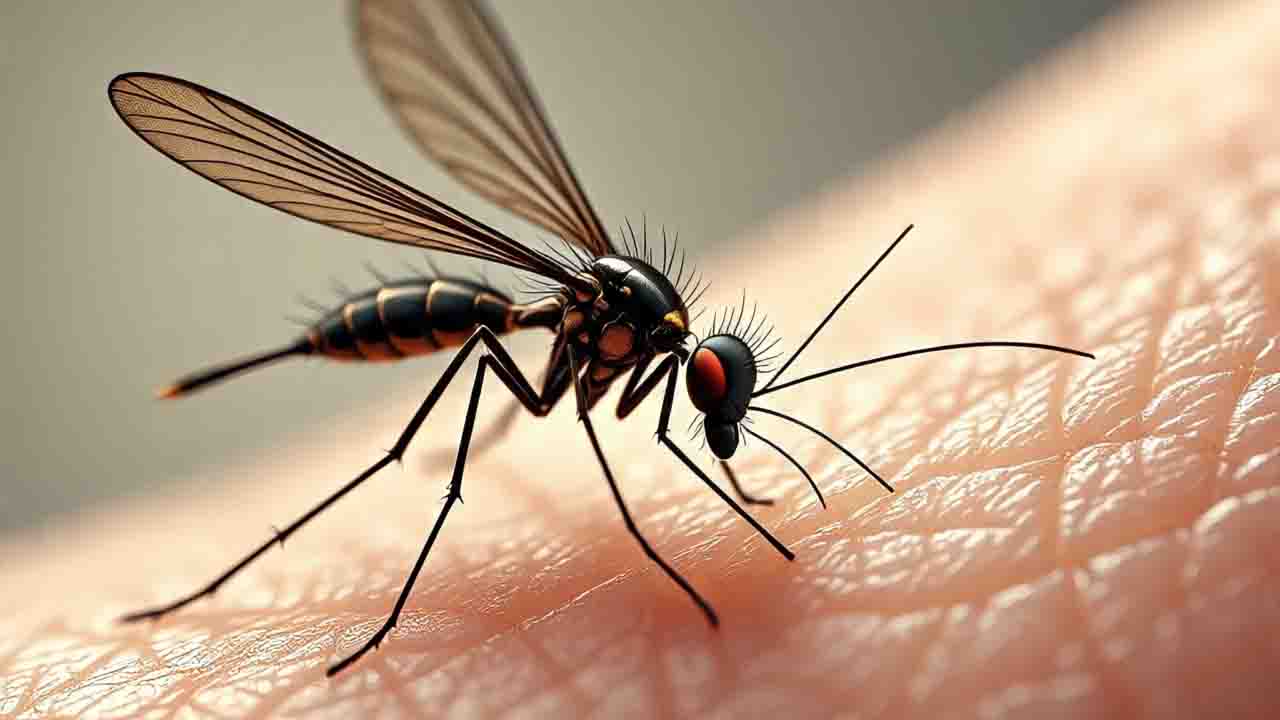
Resilienceapac – Climate change is no longer just a threat to polar ice caps and coastal cities it’s now a direct catalyst for the spread of deadly diseases. Across the Asia-Pacific region, rising temperatures and shifting rainfall patterns are creating ideal breeding grounds for disease-carrying vectors like mosquitoes. The United Nations Development Programme (UNDP) has raised alarms over a notable increase in vector-borne diseases, particularly dengue fever, in countries such as Vietnam, Indonesia, and the Philippines.
In Hanoi, Vietnam, public health officials have intensified mosquito control efforts, spraying residential areas and stagnant water zones to reduce mosquito populations. These interventions come as the city faces a spike in dengue cases, correlating with longer rainy seasons and higher-than-average humidity conditions that are closely linked to climate change impacts. Warmer temperatures allow mosquitoes to survive longer and reproduce more rapidly, increasing the risk of transmission to humans.
“Brewed for Trouble: The Love Potion Plot Unfolds”
According to a recent UNDP Asia-Pacific report. Climate change is accelerating the transmission of diseases like dengue, Zika, and chikungunya all carried by vectors such as Aedes mosquitoes. The report highlights that traditional patterns of disease prevalence are shifting. With regions previously unaffected by these illnesses now reporting outbreaks.
This is especially concerning for densely populated urban centers where public health systems may already be under strain. The UNDP urges regional governments to invest in adaptive health infrastructure and early warning systems that can track climate-sensitive diseases. It also recommends integrating climate data into disease surveillance programs to predict outbreaks before they occur.
The battle against vector-borne diseases is not just a medical challenge it is a climate resilience issue. In response to these emerging threats, countries across Asia-Pacific are being encouraged to develop climate-resilient health strategies. This includes not only vector control but also community education, cross-border cooperation, and data-driven decision-making.
Climate change is reshaping ecosystems and, in turn, transforming public health landscapes. Tackling this crisis requires a coordinated, science-based approach that addresses both the symptoms and root causes of disease spread. As climate patterns continue to evolve, so too must our strategies for protecting human health in a warming world.
“India Moves Towards Green Logistics: AllCargo Gati Accelerates Transformation”
Resilienceapac - In a joint study released this week, researchers documented that 73% of small‑business owners in Vietnam reported stable…
Resilienceapac - A joint study by the Asian Development Bank and the World Bank revealed that extreme heat events have…
Resilienceapac - A coalition of governments, NGOs, and private firms launched a continent‑wide eco‑sustainability initiative this week, aiming to raise…
Resilienceapac - The Asia-Pacific region absorbed over $1.3 trillion in economic losses from disasters between 2011 and 2022, yet governments…
Resilienceapac - Across the Asia-Pacific region, community-driven resilience programs have reduced disaster recovery time by 47% in pilot districts between…
Resilienceapac - A recent comprehensive analysis indicates that over 400 million people across the Asia Pacific region still lack access…
