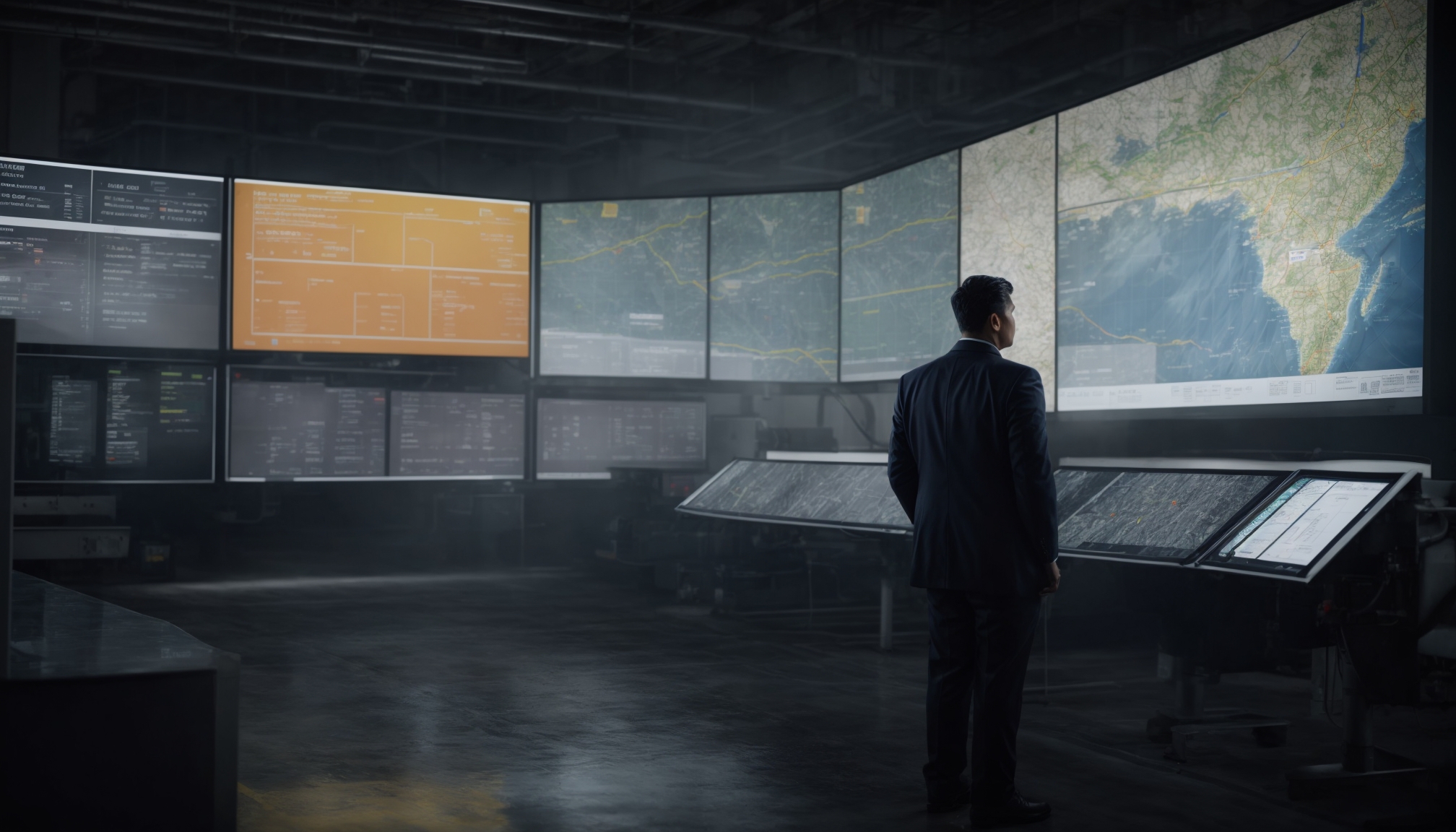
Resilience APAC: Asia-Pacific Hub for Reform – Rising losses from extreme weather are forcing companies to prioritize climate adaptation for industry to protect factories and key infrastructure.
Industrial zones sit near coasts, rivers, and transport hubs. These locations increase exposure to floods and typhoons. At the same time, heatwaves are breaking temperature records worldwide. For many sectors, climate adaptation for industry is now a direct business survival issue.
Production shutdowns from storms or flooding trigger contractual penalties. They also cause reputational damage. In addition, power outages and overheated equipment reduce efficiency and safety. Therefore, boards increasingly demand clear resilience plans, not only carbon reduction strategies.
Insurers are recalculating risk in climate hotspots. Premiums rise or coverage shrinks for unadapted facilities. However, companies that invest in climate adaptation for industry can negotiate better terms. They demonstrate proactive risk management and long‑term viability.
Effective climate adaptation for industry starts with a physical risk map. Companies must understand which assets face which hazards. This includes current conditions and projected trends over the next 10–30 years. Asset‑level detail is essential for smart investment decisions.
For heatwaves, critical questions include maximum design temperatures, cooling capacity, and worker safety thresholds. For floods, engineers must study river levels, drainage capacity, and historical inundation depth. Meanwhile, for typhoons, wind speeds, flying debris risk, and power reliability matter most.
On the other hand, supply chain risks can be even larger than direct site damage. A key supplier’s flooded plant can halt multiple downstream factories. Because of this, leading firms extend climate adaptation for industry across their vendor networks. They support suppliers to assess and mitigate physical risks.
Floods remain one of the costliest hazards for industrial sites. Equipment damage, contamination, and long cleanup times increase downtime. As a result, many companies now redesign both new and existing facilities for flood resilience.
Practical actions range from elevating critical equipment to installing flood barriers at entrances. Waterproof doors and backflow prevention valves reduce damage from rising water. In addition, independent power for pumps and critical systems supports faster recovery.
Chemical and fuel storage areas require special attention. Secondary containment and elevated platforms prevent leaks during floods. Even small changes, guided by climate adaptation for industry principles, can cut recovery times by weeks.
Read More: How companies can build climate resilience into operations
Extreme heat threatens workers, electronics, and mechanical systems. Many older factories were not designed for current temperature extremes. Consequently, productivity drops and safety incidents rise during heatwaves.
Climate adaptation for industry in hot regions prioritizes passive cooling first. Shading, reflective roofs, and improved ventilation lower indoor temperatures. After that, companies can optimize active cooling and humidity control for critical areas.
Worker protection is central. Hydration stations, adjusted shift schedules, and more frequent breaks reduce heat stress. Monitoring systems track indoor climate and identify hotspots. When combined, these measures form a practical blueprint for climate adaptation for industry at shop‑floor level.
Typhoons combine high winds, heavy rainfall, and storm surge. This triple threat can cripple ports, refineries, and manufacturing hubs. Therefore, facilities in typhoon belts require more robust design and operating rules.
First, structural engineers review roofs, cladding, and key load‑bearing elements. Stronger anchoring, impact‑resistant materials, and protected openings reduce wind damage. In addition, backup power and redundant communication channels keep critical systems online.
Emergency procedures are another pillar of climate adaptation for industry. Clear triggers for shutdown, staff evacuation, and restart protect both people and assets. Regular drills ensure teams know their roles when typhoon warnings arrive.
Modern climate adaptation for industry uses digital tools to anticipate and manage disruptions. High‑resolution climate models, flood simulations, and geospatial data feed into asset risk dashboards. These tools translate complex science into clear business choices.
Predictive maintenance systems monitor equipment under stress from heat or humidity. Meanwhile, IoT sensors track water levels, soil moisture, or wind speeds around sites. Automated alerts support faster decisions before thresholds are crossed.
In addition, scenario analysis connects physical risk to financial impact. Companies can compare the cost of adaptation projects with the value of avoided downtime. This evidence helps secure board approval for large‑scale climate adaptation for industry programs.
Resilience investments compete with other capital projects. Because of this, governance and financing models must support long‑term thinking. Many firms now integrate climate adaptation for industry into enterprise risk management.
Cross‑functional committees bring together operations, finance, procurement, and sustainability leaders. They align on risk appetite, investment priorities, and timelines. Clear metrics track progress, such as reduced outage hours or lower insurance losses.
External finance can also play a role. Green bonds and sustainability‑linked loans increasingly allow funding for adaptation measures. As a result, climate adaptation for industry becomes part of broader sustainable finance strategies, not a separate technical exercise.
Companies that act early on climate adaptation for industry gain more than protection. They secure stronger supply reliability and win trust from customers who depend on continuous delivery. In many tenders, resilience now influences supplier selection.
Moreover, resilient facilities stay operational during regional shocks, capturing market share when competitors shut down. Workers also benefit from safer, more comfortable conditions. Over time, this supports retention and productivity.
As extreme heat, floods, and typhoons intensify, the business case becomes undeniable. Firms that embed climate adaptation for industry into strategy, engineering, and daily operations will protect value and unlock new opportunities in a more volatile climate.
[SITE_NAME] - Urban centers throughout Asia-Pacific face increasing threats from climate change, making the development of climate resilient cities Asia-Pacific…
[SITE_NAME] - climate resilience and sustainable development have become critical priorities for countries in the Asia-Pacific region, where frequent natural…
[SITE_NAME] – Nature-based solutions have emerged as a core strategy Asia-Pacific resilience, addressing climate risks and natural disasters by integrating…
[SITE_NAME] - The urgent need to develop resilient health systems climate challenges has become a global priority as climate change…
[SITE_NAME] - public policy reform trends are significantly influencing social resilience in the Asia-Pacific region, as governments implement innovative frameworks…
Resilience APAC: Asia-Pacific Hub for Reform - Taiwan's earthquake-resilient community infrastructure investment is under renewed scrutiny following a series of…
