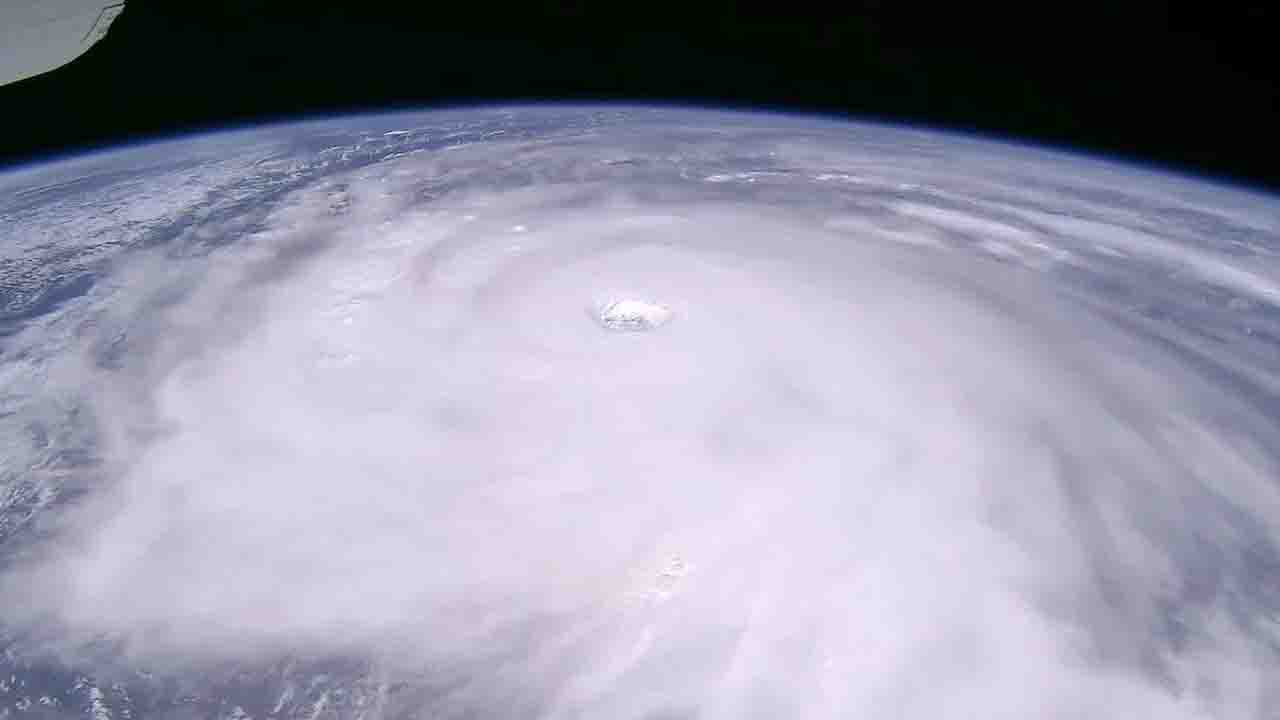
Resilienceapac – Super Typhoon Ragasa struck Asia with devastating force, leaving destruction that underscores the region’s growing exposure to extreme weather. Classified as a Category 5 storm, Ragasa carried winds surpassing 260 kilometers per hour, making it one of the most powerful cyclones this year. Its path brought severe flooding to Hong Kong, deadly landslides in Hualien, Taiwan, and claimed at least 15 lives. Soon after, the Philippines was hit by Storm Bualoi, which left at least three people dead and many more struggling to recover.
The back-to-back disasters highlight how vulnerable Asia is becoming to stronger, more frequent storms. Super Typhoon Ragasa in particular has renewed debates on how rising global temperatures are fueling greater risks for millions across the region.
“Versatile Talent of Liza Tarbuck: Comedy, Radio, and Acting”
In Hong Kong, torrential rains from Super Typhoon Ragasa submerged entire neighborhoods, disrupted transportation, and displaced hundreds. In Taiwan, the collapse of a barrier lake caused by the storm triggered landslides that buried roads and isolated rural communities. Rescue operations proved difficult under relentless downpours, with emergency teams racing against time.
Meanwhile, Storm Bualoi wreaked havoc on the Philippines. Fishing villages and farming towns saw homes flattened, power lines destroyed, and fields flooded. For many families, the damage means not just immediate loss but also long-term challenges to food security and income. Governments are now under pressure to deliver swift aid and rebuild with greater resilience.
Experts warn that the ferocity of both Ragasa and Bualoi reflects a troubling climate reality. Warmer oceans act as fuel for tropical systems, enabling typhoons to intensify more rapidly and strike with unprecedented strength. The devastation caused by Super Typhoon Ragasa and its companion storm is therefore. More than a natural disaster it is a signal of what unchecked climate change could bring.
Regional leaders and scientists are calling for stronger international cooperation to improve early warning systems. Invest in resilient infrastructure, and support vulnerable communities. As Asia recovers from the impact of Super Typhoon Ragasa and Storm Bualoi. The urgent message is clear: climate resilience must become a top priority to safeguard the future.
“Advanced Nyobolt Battery Powers U.S. Warehouse Robots”
This news article is based on information reported by Reuters, a trusted global news agency known for delivering accurate and up-to-date coverage on international events.
Writer By: Rahma Azhari | Editor By: Randa Saragi
Resilience APAC: Asia-Pacific Hub for Reform - Asia-Pacific resilience strategies are critical as climate change increasingly impacts the region’s communities…
Resilience APAC: Asia-Pacific Hub for Reform - Asia-Pacific countries are increasingly focusing on climate resilience Asia Pacific strategies to confront…
Resilience APAC: Asia-Pacific Hub for Reform - Local community resilience strategies have become essential in confronting the dual challenges of…
Resilience APAC: Asia-Pacific Hub for Reform - Asia Pacific data center boom is significantly testing the resilience of the region's…
Resilience APAC: Asia-Pacific Hub for Reform - Urban centers throughout Asia-Pacific face increasing threats from climate change, making the development…
Resilience APAC: Asia-Pacific Hub for Reform - climate resilience and sustainable development have become critical priorities for countries in the…

